
Press & Media
Resources for journalists, podcast hosts, conference organizers, documentary producers, and researchers.
At a Glance
- Deception Researcher
- Former hacker
- Technology executive
- Co-founder of Defensive Thinking with Kevin Mitnick
- Speaker on deception, cybersecurity, and social engineering
- Based in Montréal, Canada
Biography
One-Liner
~15 wordsShort Bio
~80 words, third personFull Bio
~250 words, third personAlex Kasper is an American technology executive and former hacker. As a teenager in Los Angeles he was part of an early hacker and phone-phreak circle that included Kevin Mitnick, engaged in the trophy hacking of the era: accessing phone, cellular, and commercial networks for the challenge, not for money. Unlike Mitnick and others in that circle, Kasper was never charged and has no criminal record.
In the 1990s he worked as a multimedia producer: producing the video game Return Fire and the USC short film Eyeball Eddie, and serving as technical advisor on the Miramax feature Takedown, in which he also appears in two cameos.
In 1999 Kasper co-founded Nexspace, an early networked coworking space in Los Angeles, serving as CTO. Kevin Mitnick, then barred from using a computer under the terms of his prison release, wrote The Art of Deception from Nexspace; Kasper says he handled much of the work Mitnick was legally forbidden to do, and Mitnick thanked him in the book’s acknowledgments. In 2002 the two founded Defensive Thinking and created the Certified Social Engineering Prevention Specialist (CSEPS), the world’s first social engineering prevention certification, training clients including the U.S. Air Force and Marines.
Kasper later moved into digital authentication work spanning the legal and food industries, serving as vice president of technology for Barkley and co-founding Kasper Exchange and Naturesign. He lived in Berlin from 2013 to 2022 before relocating to Montreal.
Kasper now researches manipulation and manufactured urgency, and how those techniques apply to AI. He is the author of the forthcoming book Manufactured Urgency: Craft of the Bad-Faith Actor.
Backgrounder
Long-form, with sourcesIn brief
Alex Kasper (born Alexis Kasperavičius, 1968, in Cleveland; raised in Los Angeles) is an American technology executive and former hacker who focuses on AI deception research. In the 1980s and 90’s he was part of a group of young hackers and phone phreaks that included Kevin Mitnick, Lewis De Payne, and others.12 He went on to produce video games3 and film4, co-found one of the early networked shared-office companies5, and, with Mitnick, create and teach the world’s first social engineering prevention certification, the Certified Social Engineering Prevention Specialist (CSEPS).67 He later moved into digital authentication work spanning the legal and food industries.
Early years
As a teenager in Los Angeles, Kasper became a skilled social engineer and phone phreak with a deep working knowledge of telephone systems.1 He ran with an early hacker and phreaking circle whose exploits, as recounted in Mitnick’s Ghost in the Wires, spanned the phone and cellular networks of the era: monitoring calls, manipulating lines, and rewriting the electronic serial numbers that identified cellular handsets.2
The group also reached into commercial and institutional networks, using them to trace and locate people and to find high-value targets. Among those targets were the very security researchers trying to keep them out, whose findings they harvested for their own use. In some cases they even “patched” widely used software to plant hidden back doors for later access.2
It was trophy hacking. The group was in it for the fun and the challenge, not the money, and never cashed in the access they had. Unlike Mitnick and others, Kasper was never charged and has no criminal record.
Games and film
In the 1990s Kasper worked as a multimedia producer. He produced and designed the sound for the critically acclaimed video game Return Fire, released for the 3DO in 1995389 and later ported to the PlayStation and Windows.1011
He also produced the USC short film Eyeball Eddie, which starred Martin Starr in his first lead role1213 alongside veteran character actor M. Emmet Walsh.4
Kasper also served as a technical advisor on the Miramax feature Takedown, a dramatization of the pursuit and capture of hacker Kevin Mitnick, and appears in two cameos.141516 Kasper says he used his production background to locate the set and befriend the producers, then pressed for a more sympathetic portrayal of Mitnick, securing changes to the character on set. He is also interviewed in the 2600 Films documentary Freedom Downtime about Takedown.17
Nexspace and the Mitnick partnership
In 1999 Kasper co-founded Nexspace, an early networked coworking space in Westwood, Los Angeles, serving as CTO alongside co-founder and CEO David Agger.5
Under the terms of his 2000 prison release, Kevin Mitnick was barred from using a computer.1819 Kasper says Mitnick wrote The Art of Deception from Nexspace, with Kasper handling much of the work Mitnick was legally forbidden to do. Mitnick thanked him in the book’s acknowledgments.20
Nexspace was also the base for their weekly KFI AM 640 radio show, The Darkside of the Internet.21
Defensive Thinking and CSEPS
In 2002, anticipating the end of Mitnick’s computer restrictions, Kasper and Mitnick founded Defensive Thinking. There they developed the Certified Social Engineering Prevention Specialist certification (CSEPS), which launched in 2003 as the first program of its kind.6 It detailed the specific steps and methods for preventing what they believed to be the most effective hacking technique ever devised: social engineering.
The course reached a broad range of participants. In the United States, it was delivered in partnership with Florida training firm Intense School to clients that included corporations, government agencies, and military branches such as the U.S. Air Force and Marines.7 Mitnick and Kasper also ran workshops internationally, including one in Sydney where attendees sifted through bags of garbage — real trash brought from a celebrity’s office in Los Angeles — to see what an attacker could reconstruct from a company’s rubbish.22
Later career
In the mid-2000s the CSEPS partnership wound down. Delivering the training was labor-intensive, roughly a week per client, and far less lucrative than speaking, for which Mitnick was increasingly in demand. He moved to Las Vegas to focus on it; Kasper stayed in Los Angeles to build software and businesses. CSEPS was shelved and never restarted. In 2005 Kasper became vice president of technology for Barkley, a large multi-state legal-services firm later acquired by Magna Legal Services, where he introduced digitally signed, secure transcripts and web-based delivery.232425
In 2010 Kasper co-founded Kasper Exchange, a spice and flavoring brokerage, with his brother Nick.26 In 2023 he launched Naturesign, a system that generates the safety and provenance documents guaranteeing that flavor and fragrance products are free of specified substances or made a certain way.2728
Kasper lived in Berlin from 2013 to 2022 before relocating to Montreal, where he now lives.
Present work
The untimely death of Kevin in 2023, combined with the emergence of AI at roughly the same time, gave new urgency to something the two had developed but never fully explored. Testing the idea, Kasper observed that the manipulation techniques he and Mitnick had distilled not only work against AI systems but can be turned to detect the same attacks, and he set out to make that case.
His forthcoming book, Manufactured Urgency: Craft of the Bad-Faith Actor, examines the recurring structure behind deception: how a common framework emerges across scams, confidence games, and phishing, and now appears in jailbreaking and prompt injection, and how it can be recognized and stopped.Manufactured Urgency
Timeline
- 1968 — Born in Cleveland (Alexis Kasperavičius)
- 1980s to early 1990s — Hacking and phreaking era, Los Angeles
- 1995 — Return Fire released (3DO)
- 1999 — Nexspace co-founded
- 2000 — Takedown released; technical advisor and cameo
- 2001 — Eyeball Eddie released
- 2002 — Defensive Thinking co-founded with Mitnick
- 2003 — CSEPS launches
- 2005 — Vice president of technology, Barkley
- 2010 — Kasper Exchange co-founded
- 2013 to 2022 — Resident in Berlin
- 2022 — Relocated to Montreal
- 2023 — Naturesign launched
- Forthcoming — Manufactured Urgency: Craft of the Bad-Faith Actor
Selected credits and appearances
- Return Fire (3DO, 1995; PlayStation and Windows ports) — producer, sound design311
- Eyeball Eddie (USC short, 2001) — producer4
- The Darkside of the Internet (KFI AM 640) — co-host21
- CSEPS / Defensive Thinking — co-creator, instructor6
- Ghost in the Wires — featured2
- The Art of Deception, The Art of Intrusion — acknowledged2029
- Freedom Downtime (2600 Films) — interview subject17
- Takedown (Miramax) — technical advisor, two cameos14
References
- a b Gray, Patrick (June 6, 2005). “A Tale of Two Hackers”. Wired.
- a b c d Kevin Mitnick and William L. Simon (August 15, 2011). Ghost in the Wires: My Adventures as the World's Most Wanted Hacker. Little, Brown and Company.
- a b c “Return Fire Credits (3DO)”. MobyGames. 1995.
- a b c Eyeball Eddie. OCLC WorldCat. 2001.
- a b “Nexspace Unveils Next Wave in Flexible Office Solutions for High-Growth Companies”. Nexspace, Inc. November 27, 2000.
- a b c “Press Information”. Defensive Thinking, Inc. January 1, 2004.
- a b “Ex-Hacker Kevin Mitnick Teaches From Experience”. The Wall Street Journal. October 15, 2003.
- ^ “Game of the Month: Return Fire (Editor's Choice 'Gold Award')”. Electronic Gaming Monthly. February 1995.
- ^ “And The Winner Is... 3DO Awards Honor Best of the Best for 1995”. Business Wire. December 19, 1995.
- ^ “Return Fire (PlayStation Review)”. Next Generation. July 1996.
- a b “Return Fire (1995)”. MobyGames. 1995.
- ^ “Eyeball Eddie (Short 2001) - Full Cast & Crew”. IMDb. 2001.
- ^ “Martin Starr”. IMDb. 2001.
- a b “Takedown (2000) - Full Cast & Crew”. IMDb. 2000.
- ^ “Takedown (2000) production photo — theater scene”. IMDb. 2000.
- ^ “Takedown (2000) production photo — FBI meeting scene”. IMDb. 2000.
- a b Kasper, Alex (January 31, 2026). “Social Engineering Explained: Alex Kasper on the Hotel Device Scam from Freedom Downtime ”. YouTube.
- ^ Christopher M. E. Painter (March 1, 2001). “Supervised Release and Probation Restrictions in Hacker Cases”. United States Attorneys' USA Bulletin.
- ^ “F.C.C. Lets Convicted Hacker Go Back on Net”. The New York Times. December 27, 2002.
- a b Kevin Mitnick and William L. Simon (October 1, 2003). The Art of Deception: Controlling the Human Element of Security. Wiley Books.
- a b “DarkSide of the Internet”. KFI-AM 640. January 1, 2001.
- ^ Kotadia, Munir (April 13, 2005). “'Human firewall' a crucial defence: Mitnick”. ZDNet.
- ^ Kasperavicius, Alex (November 2008). “What Is a Digital Signature? And How Can It Protect My Transcript?”. JCR.
- ^ “Court Reporting and Deposition Technology Services | Barkley”. Barkley Court Reporters. July 1, 2019.
- ^ “Barkley | Magna Legal Services”. Magna Legal Services. October 2022.
- ^ “About Us”. Kasper Exchange, LLC. August 2, 2026.
- ^ Rosewood Key, LLC (March 14, 2025). “Naturesign | Digital Regulatory. Simplified.”. Naturesign.
- ^ Rosewood Key, LLC (August 3, 2026). “About Us | Naturesign”. Naturesign.
- ^ Kevin Mitnick and William L. Simon (December 27, 2005). The Art of Intrusion: The Real Stories Behind the Exploits of Hackers, Intruders & Deceivers. Wiley Books.
Photos
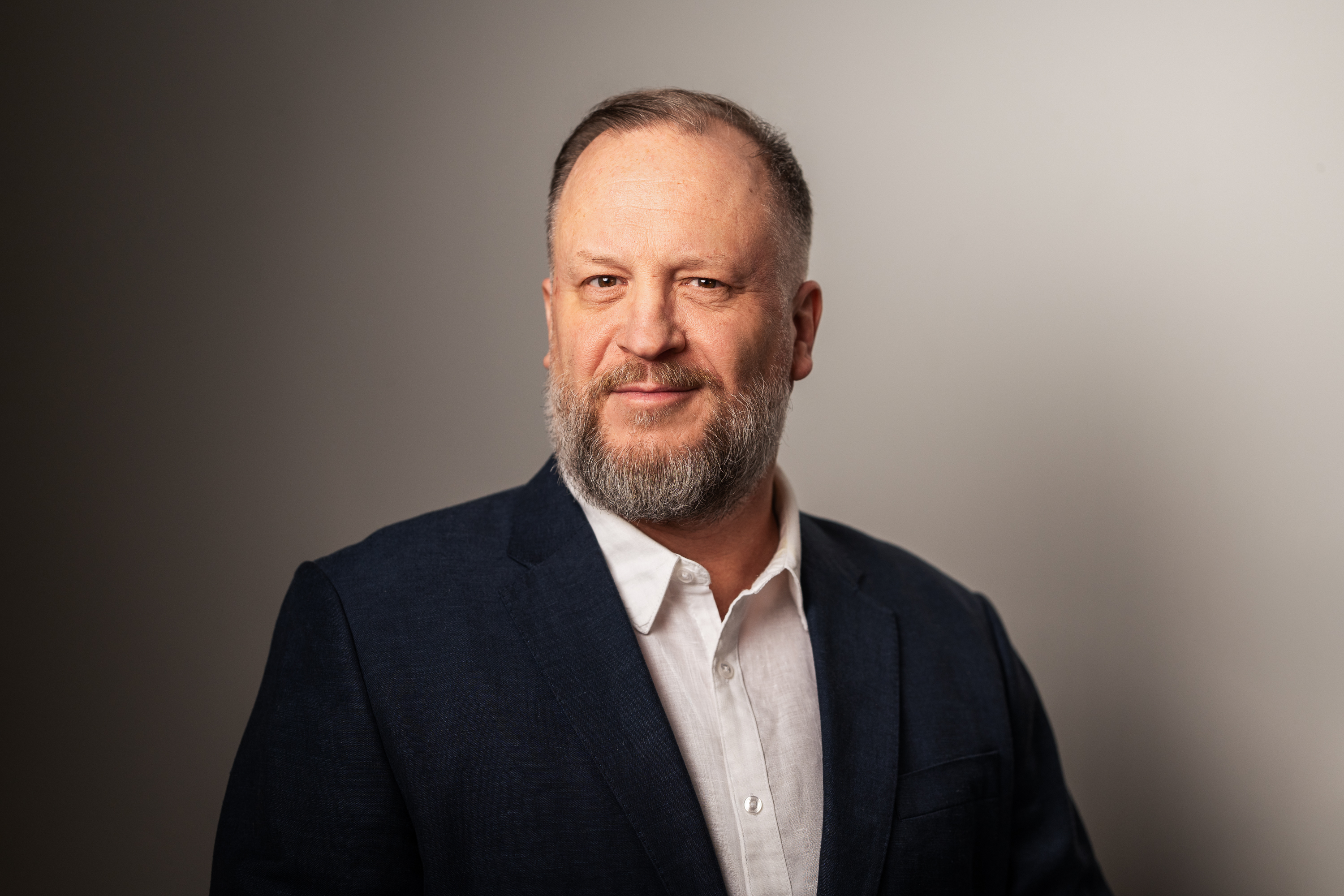
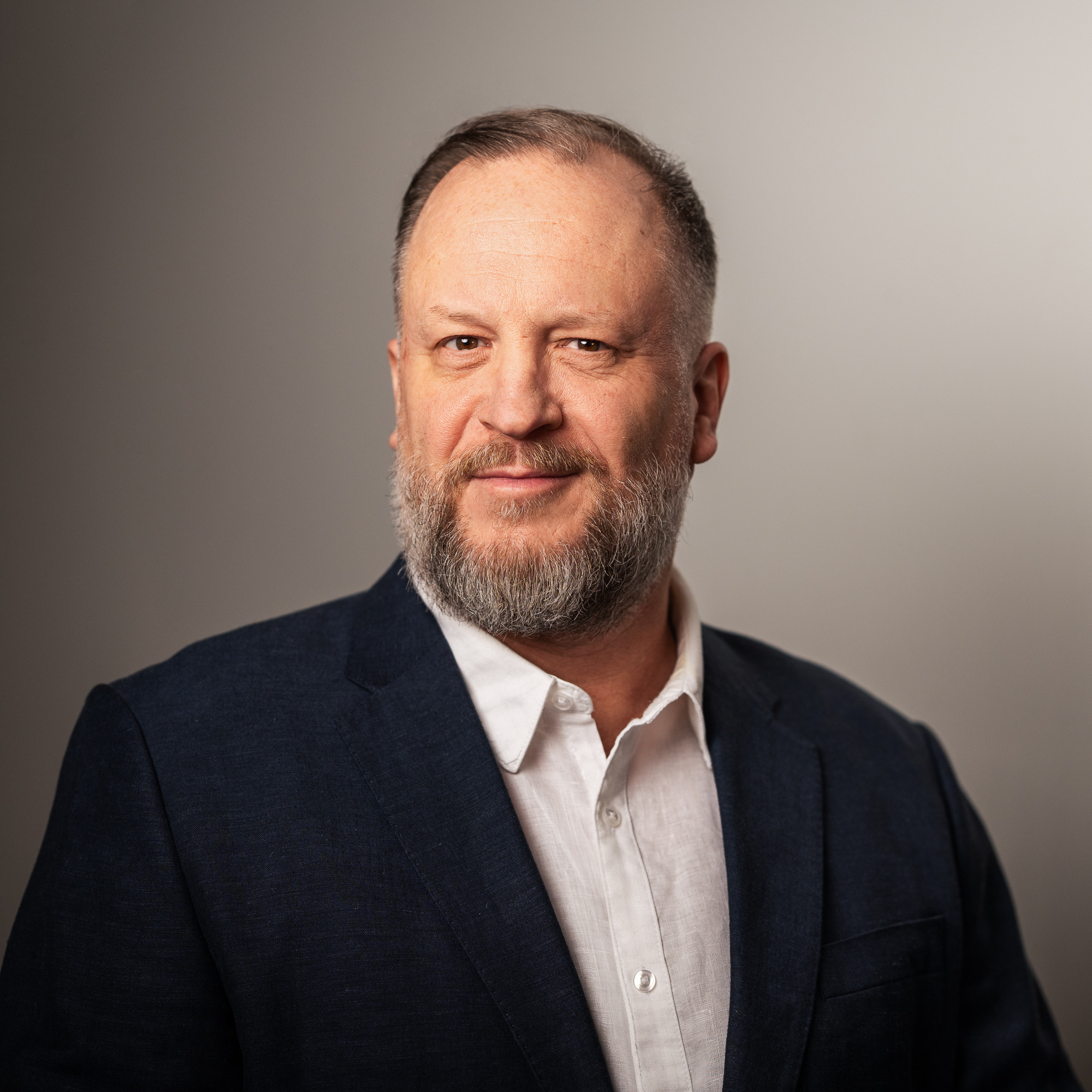
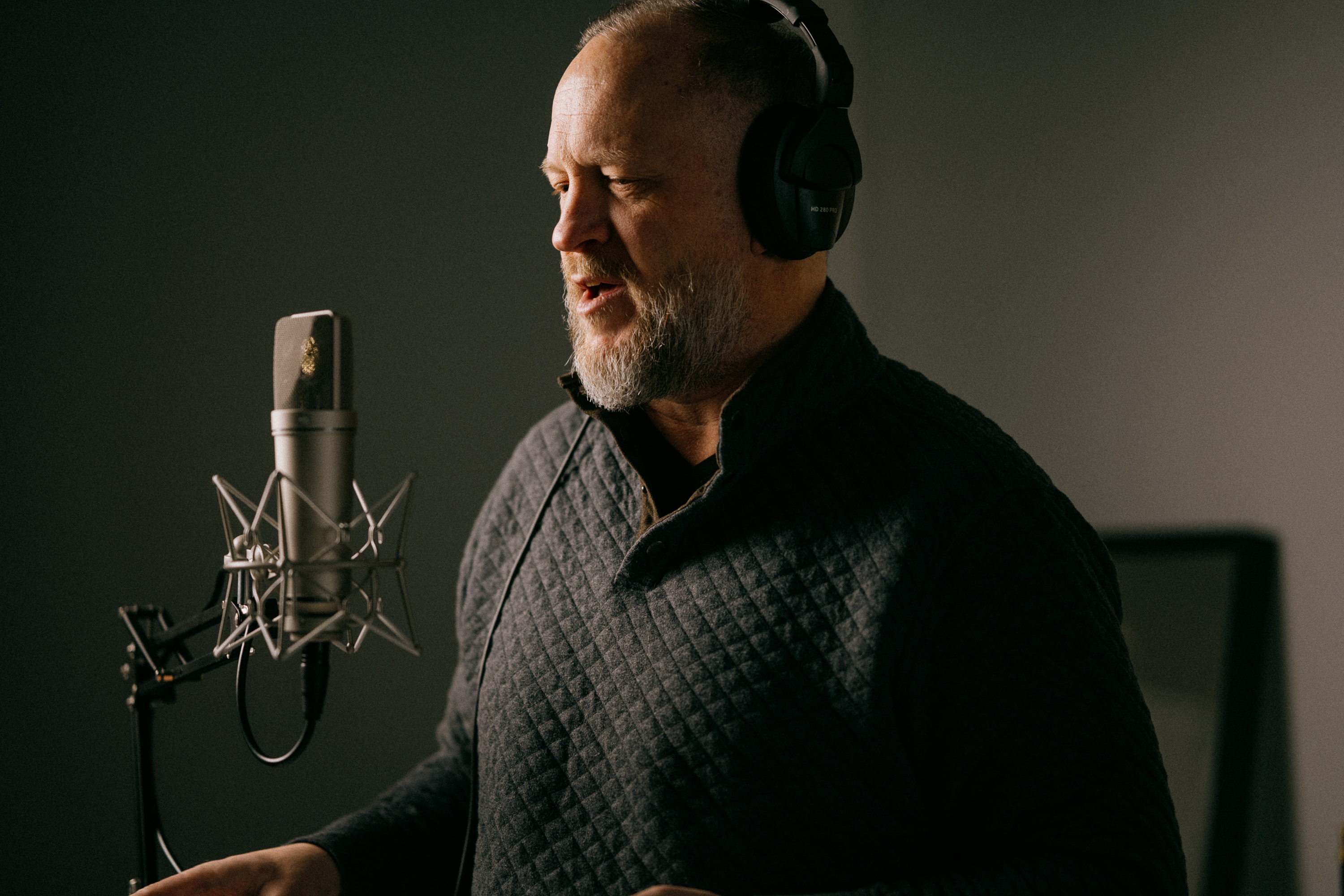
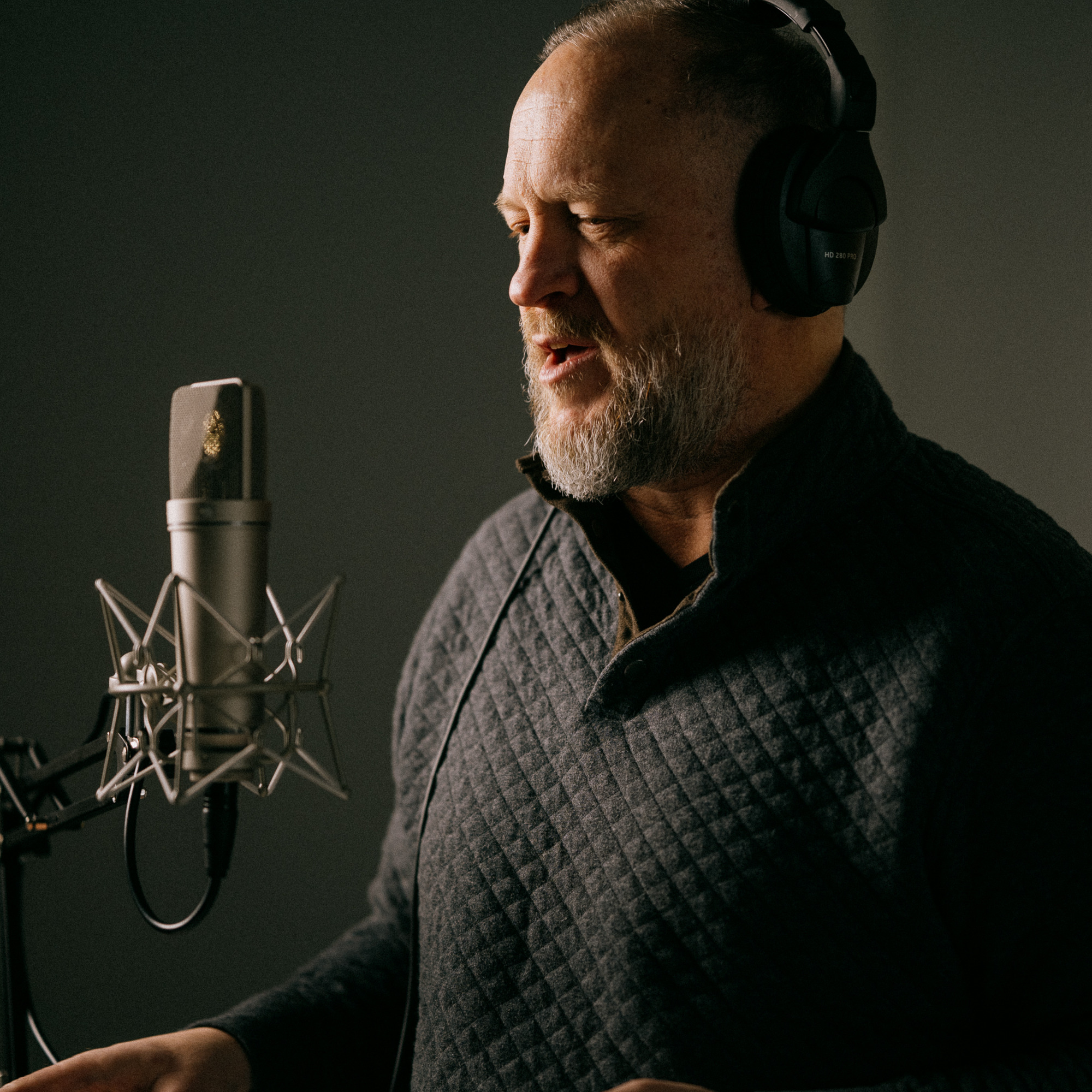

Contact
Verified profiles and identifiers, cross-referenced on Wikidata: